
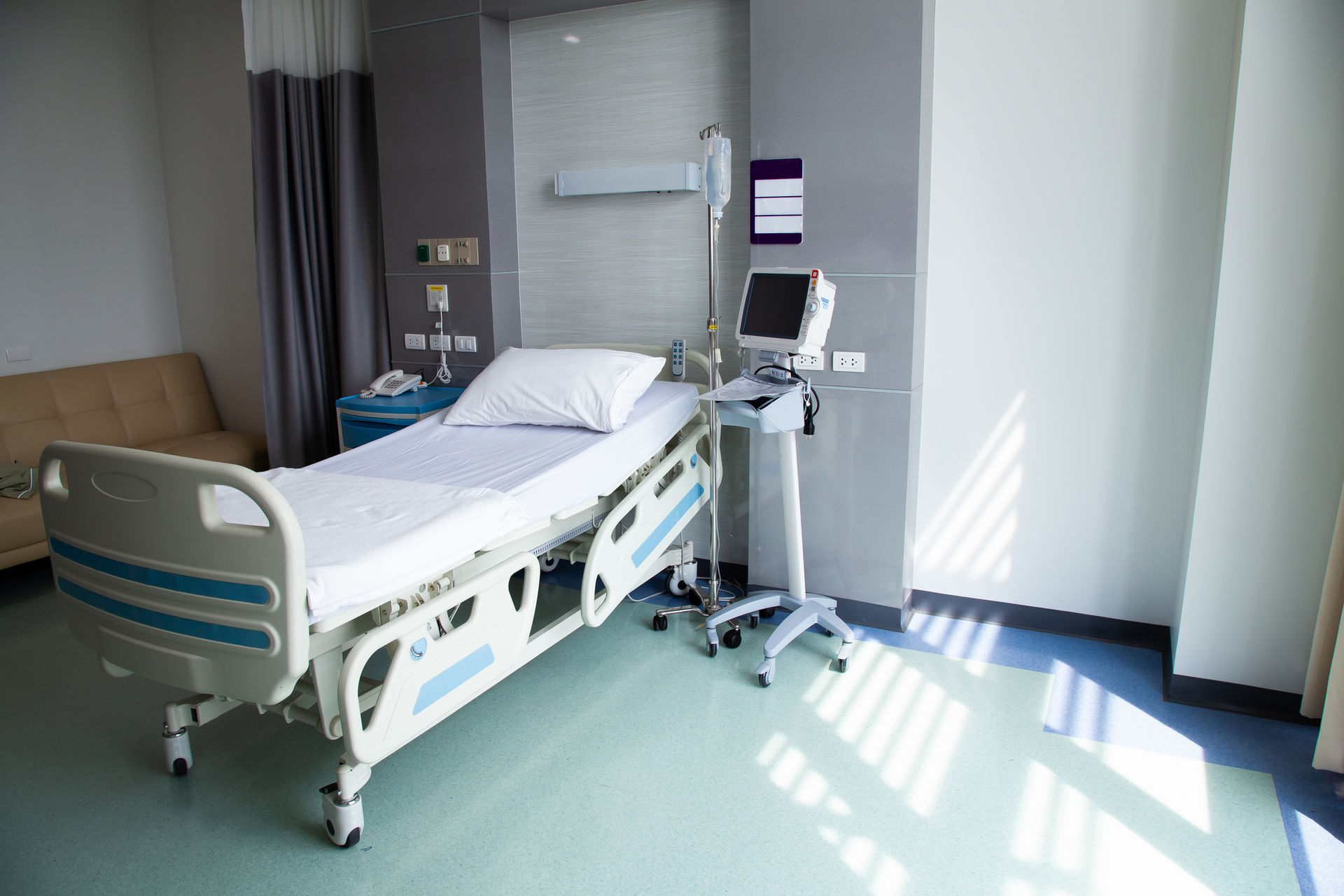
Hospital Equipment
Ward and theatre equipment that runs for years and must not fail quietly. Electrical safety, alarms, serviceability and continuous duty set most of the design.
- Devices we have built here
- Ventilators, oxygen concentrators, OT video recorders, Auto CPAP, organ transportation, blood warmers.
What Makes These Devices Hard
Continuous Duty
Equipment runs for hours or days and must not fail quietly.
Alarms
What the device warns about, how loudly and how a nurse silences it.
Electrical Safety
Insulation, leakage current and earthing, fixed in the architecture.
Service Life
Access for service, spare parts and a maintenance schedule over years.
Tell Us These First
Useful in a First Enquiry
- The setting: ward, ICU, operating theatre or transport
- What the device must keep doing if something fails
- Mains, battery or both, and the battery run time
- Who operates, cleans and services it
- Products you replace or benchmark against
The Path for a Device Like Yours
Questions About Hospital Equipment
What is essential performance?
The performance whose loss or degradation would create an unacceptable risk, for example holding a set temperature or flow. IEC 60601-1 asks you to name it, and your alarms and tests are built around it.
Do we need a particular standard as well as IEC 60601-1?
Often. Many device types have a particular standard in the IEC 60601-2 or 80601-2 series, such as IEC 80601-2-35 for heating pads and blankets. Where the two differ, the particular standard takes precedence.
Which class will our equipment be?
The class follows the intended use and the classification rules, not the equipment type. Try the class and route tool.
Building a device in Hospital Equipment?
Opens the contact form with the topic filled in. Nothing is sent until you press send.